50% off your first 2 months — ends in00d00h00m00s
Photography · Academy9 min readUpdated 

AI food photography prompts for realistic food photos

Copy 10 restaurant-ready prompts with camera-true lens, light, and styling so your menu photos and food blog photos look like a real shoot.

Martin Balk
Martin Balk
Founder, Postcrest ·
4.8 · 38,000+ creators
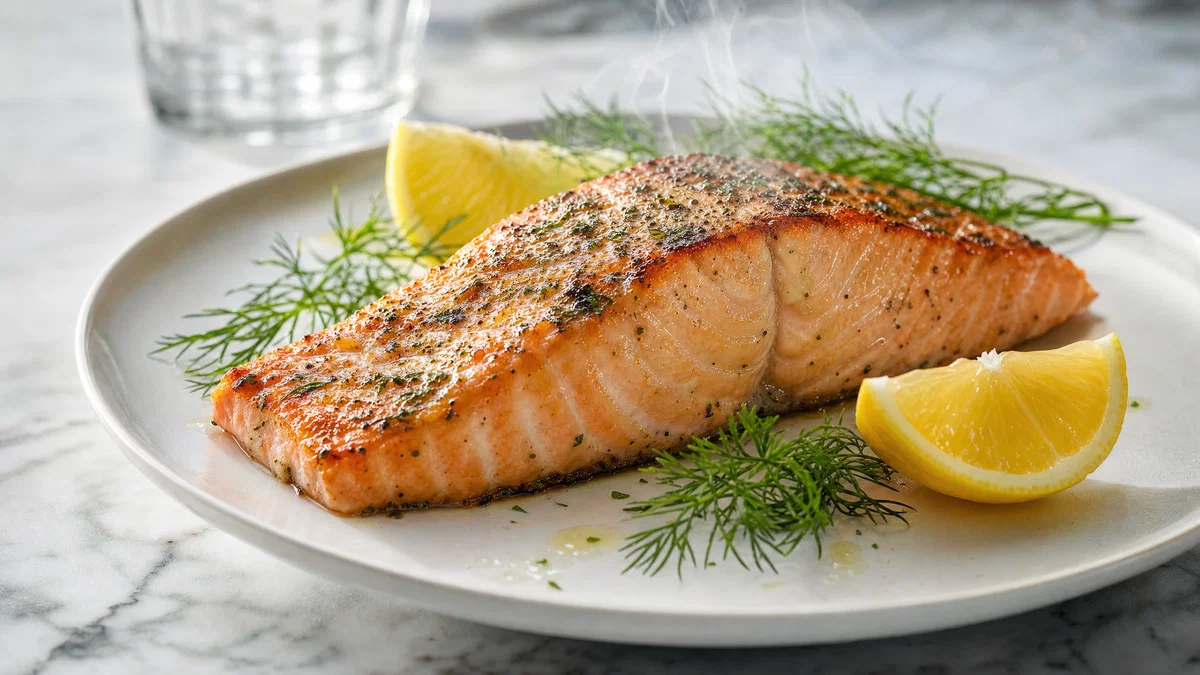
Realistic plated salmon on marble with soft side light and natural texture.
10 ready-to-copy prompts
Generated with Postcrest · 1 prompt · 1 click
TL;DR
Key Takeaways
  • 01
    Write like a real photo brief Lead with shot angle, 100mm macro, and f-stop, then lock light direction, surface, and finish with a clear color grade.
  • 02
    Control realism with texture cues Add specific garnish and micro-detail notes, like flaky salt, crumbs, condensation, and sauce sheen, to trigger believable food surfaces.
  • 03
    Pick one light source and stick Soft side window light plus a simple bounce or flag creates consistent menu photos across dishes and aspect ratios.

AI food photography prompts that actually look real

A good AI food photography prompts brief is a camera-accurate sentence that tells an image model exactly how the food was photographed: angle, 100mm macro lens, aperture, lighting direction, surface, styling details, and the final grade. Modern image models learn from huge libraries of captioned restaurant and editorial photos where captions reference production language, so prompts that mirror real shoot notes reliably surface that learned look. Even when you are not using 16mm, 35mm, or 85mm, naming a lens and f-stop guides perspective, depth of field, and highlight rolloff like a real camera.

Below are 10 ready-to-paste realistic food photography prompt examples, each written as a working brief for menu photos, restaurant food images, delivery app thumbnails, and food blog photos. You will get overhead flat-lays, 45-degree plated shots, steam and freshness cues, dark and moody desserts, and bright and airy brunch frames. Copy a prompt, swap the dish and props, then paste it into Postcrest once to generate a consistent set.

Try it in Postcrest

Generate menu-ready food photos fast

Render multiple variations in minutes and export up to 4K crops for menus, delivery apps, and social. Keep lighting and styling consistent across a full shoot.

No watermarksCommercial licenseCancel anytime
Image Generator
Postcrest
Prompt
Ultra-wide alpine peaks at golden hour, 16mm, f/11, Velvia 50
Generate
4K3:2
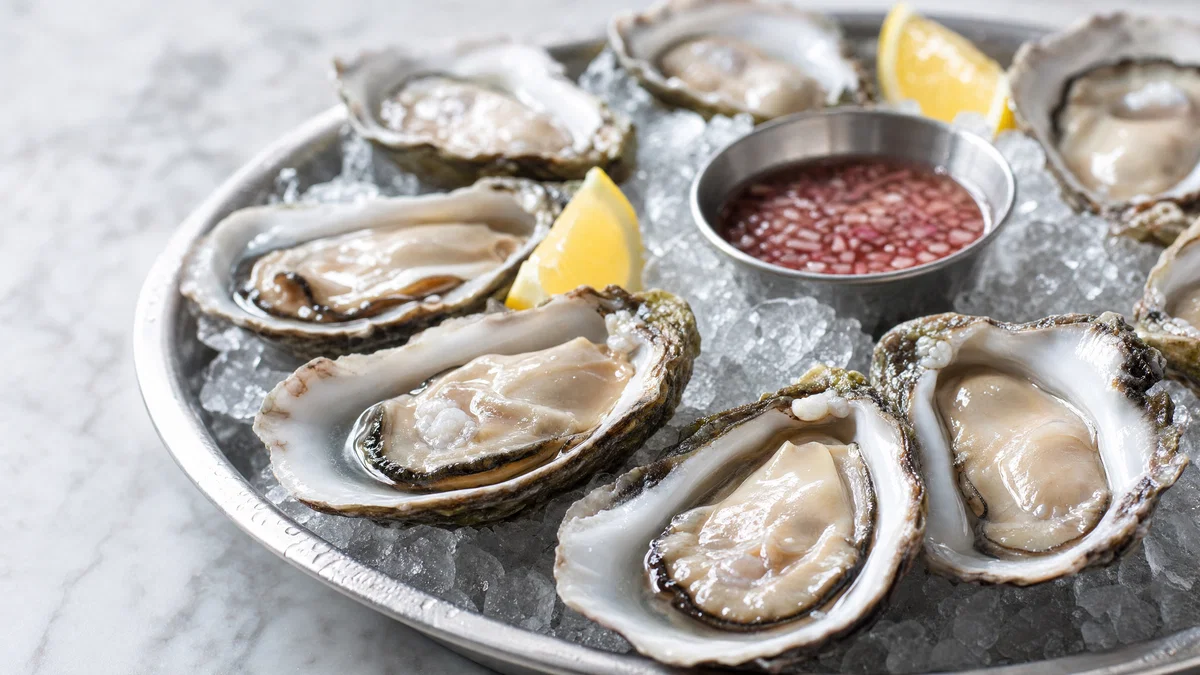
Oysters on ice with lemon on marble, soft side light, crisp realistic texture.
Generated · 4K
10 prompts

The prompt library

Every prompt below has been generated, graded and verified inside Postcrest. Copy the text, hit Generate, and the same look ships from your account.

Prompt 01 of 10

Burger hero

Portra · warm commercial
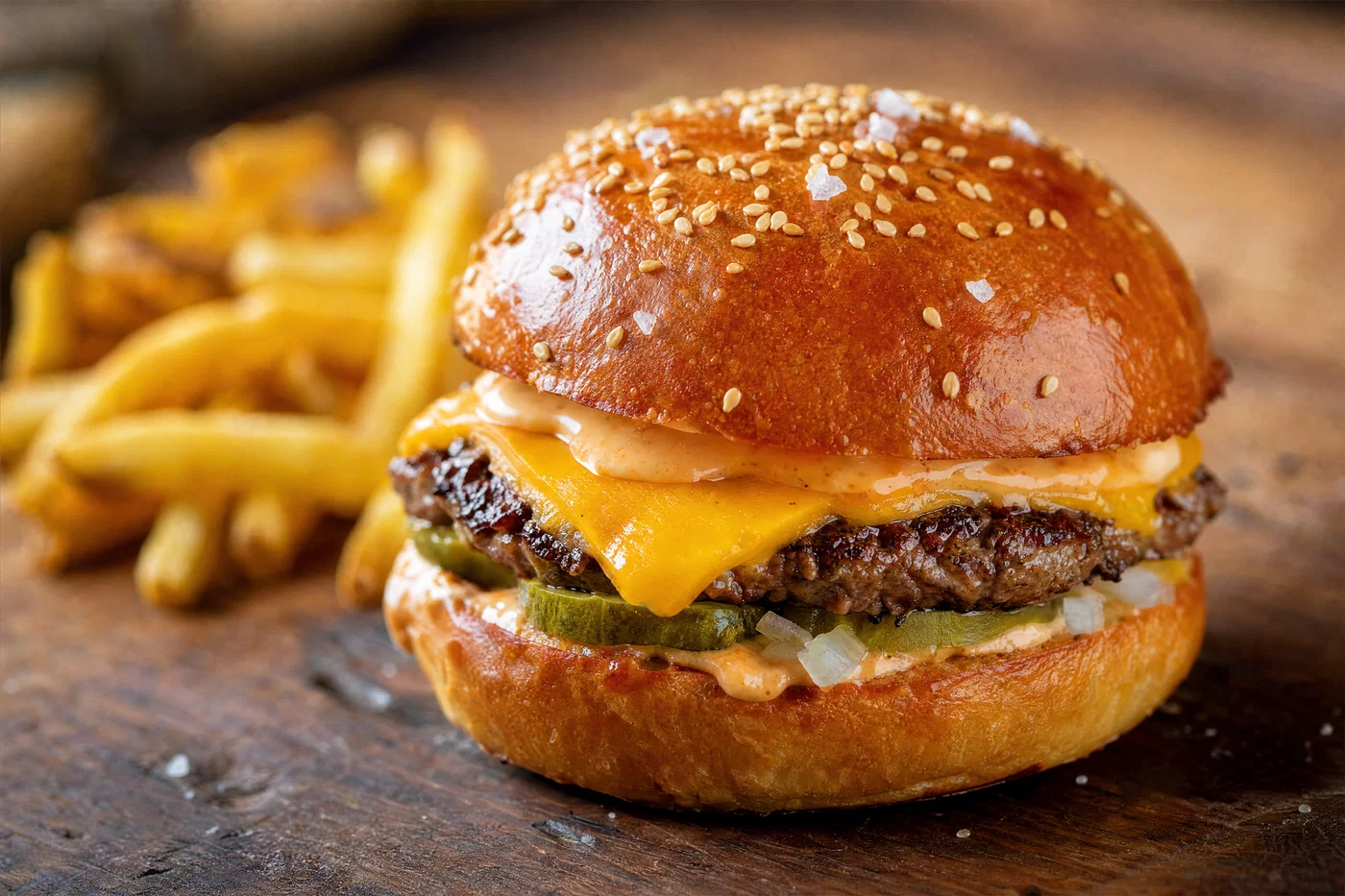
Cheeseburger hero shot on walnut with soft side light and visible sesame texture.
01·Portra · warm commercial
View photo
100mm macrof/4.5Soft side lightWalnut table
Prompt
45-degree hero close-up, 100mm macro, f/4.5, single cheeseburger on toasted brioche with melted cheddar and glossy sauce, sesame seeds and flaky salt visible, fries in soft blur, on rustic walnut tabletop. Soft side window light from camera left with white bounce, shallow depth, realistic grease sheen and crumbs. Medium: full-frame digital. Color grade: warm commercial, Portra 400 tones.
Why it works

Starting with angle, focal length, and aperture tells the model what perspective and depth of field to build, which prevents the “wide-lens food” distortion that looks fake. The explicit surface, bounce, and texture cues, like flaky salt and crumbs, create believable micro-contrast that sells menu photos.
Prompt 02 of 10

Overhead pasta

Editorial · clean neutrals
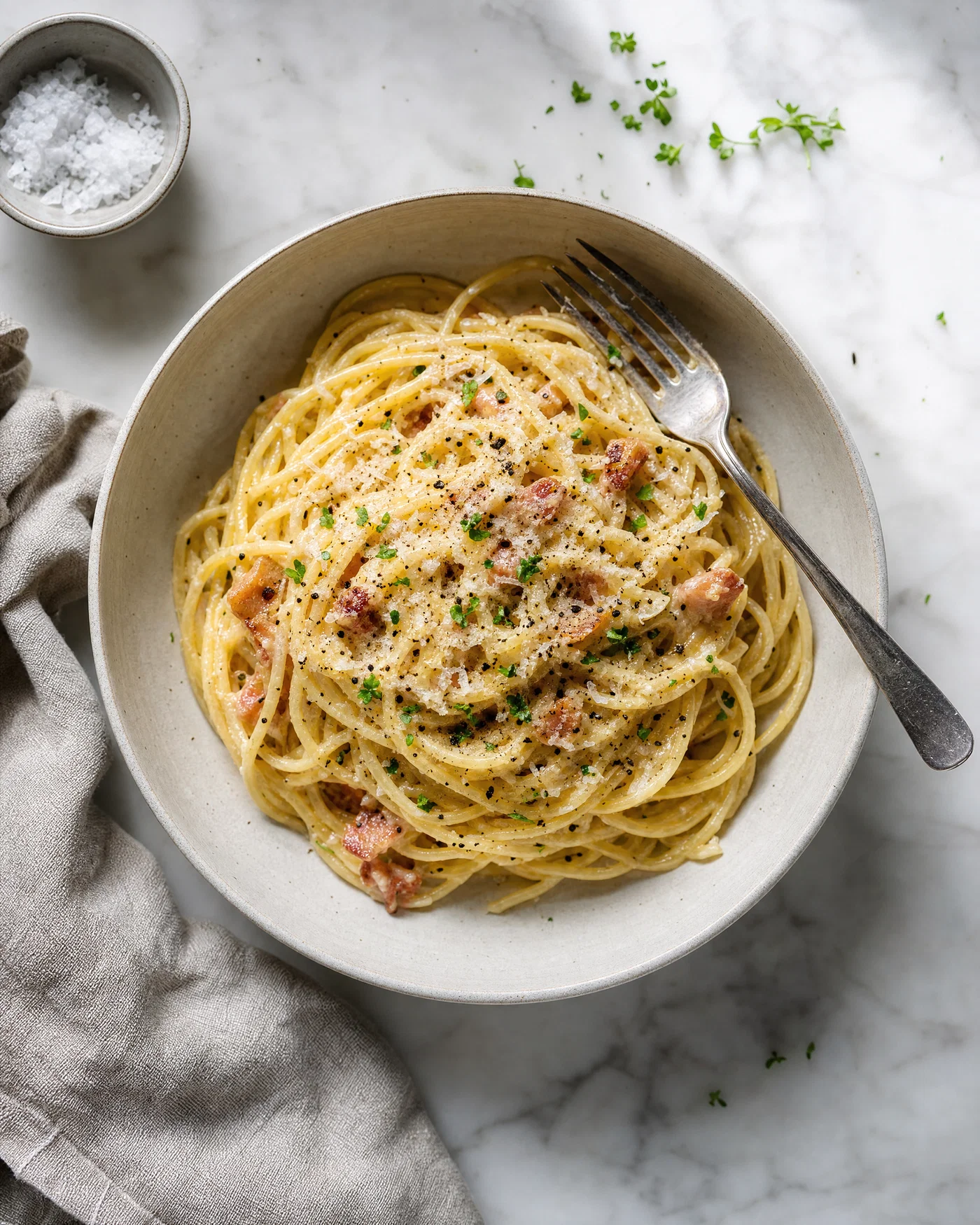
Top-down carbonara on white marble with parmesan shavings, fork, and soft side light.
02·Editorial · clean neutrals
View photo
100mm macrof/5.6White marbleOverhead flat-lay
Prompt
Overhead flat-lay, 100mm macro, f/5.6, ceramic bowl of spaghetti carbonara centered on white marble, fork at 2 o’clock, grated parmesan shavings, cracked black pepper, micro parsley garnish, small salt bowl and linen napkin as props. Soft side window light, gentle shadows, crisp texture in noodles. Medium: Portra 160 look. Color grade: clean editorial neutrals.
Why it works

The overhead angle plus f/5.6 keeps the whole bowl readable, which is what menu photos and delivery app images need. Calling out small props and garnish placement gives the model a layout to follow, so the composition looks intentionally art-directed instead of randomly scattered.

Prompt 03 of 10

Latte art

Kodak Gold · bright airy
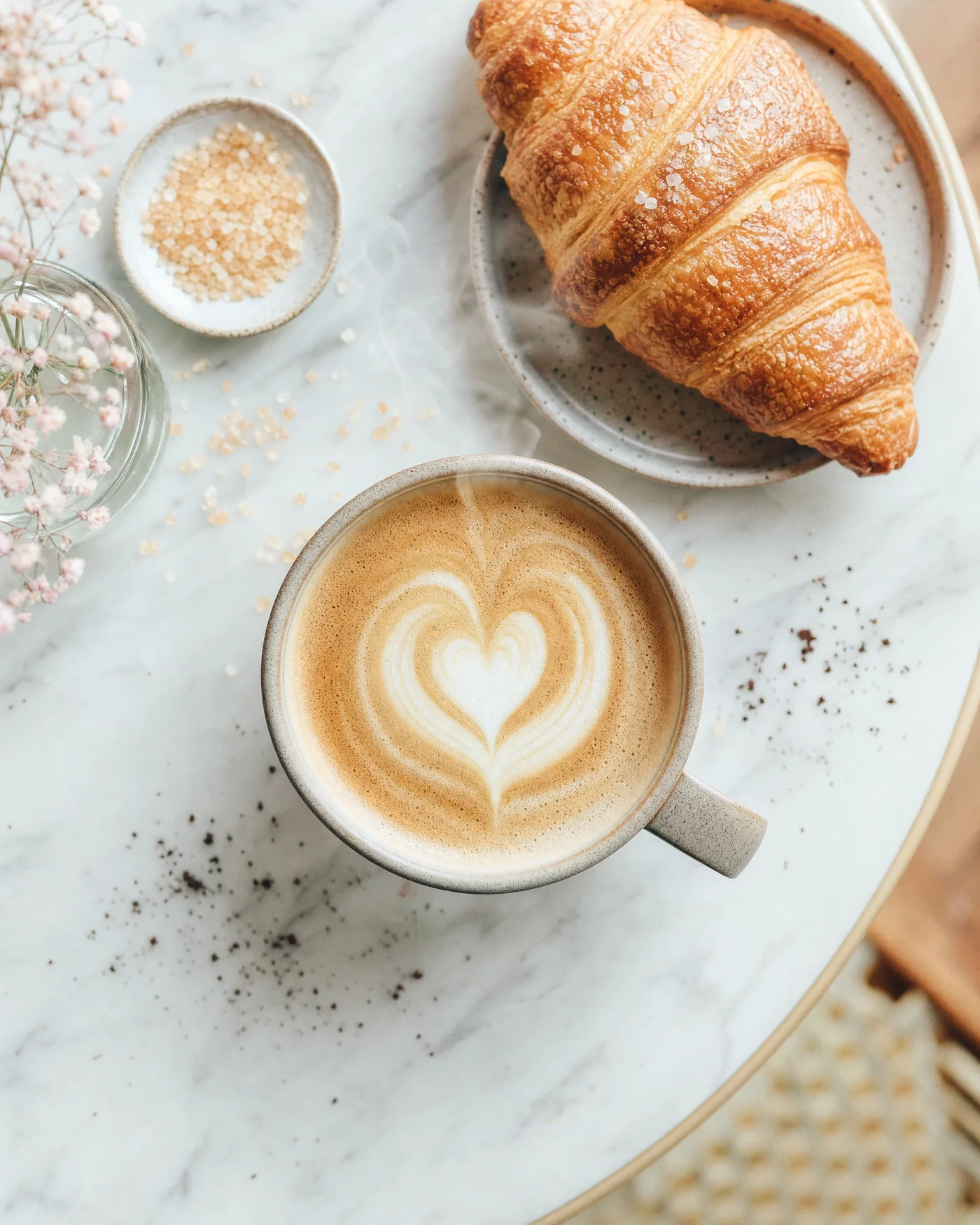
Cappuccino with heart latte art on marble beside a croissant, bright soft side light.
03·Kodak Gold · bright airy
View photo
100mm macrof/4High-key side lightWhite marble
Prompt
Top-down cafe still life, 100mm macro, f/4, cappuccino with heart latte art in a matte ceramic cup, thin steam, placed on white marble bistro table with butter croissant, sugar crystals and a few coffee grounds for texture. Soft side light, high-key exposure, subtle vignette. Medium: Kodak Gold 200 feel. Color grade: bright and airy pastels.
Why it works

The prompt balances “clean” and “real” by pairing high-key exposure with tiny mess details, like coffee grounds and sugar crystals, which are common in real cafe tables. Naming steam and a matte cup helps the model avoid plastic reflections and keeps the beverage believable for food blog photos.

Prompt 04 of 10

Moody dessert

Low-key · rich contrast
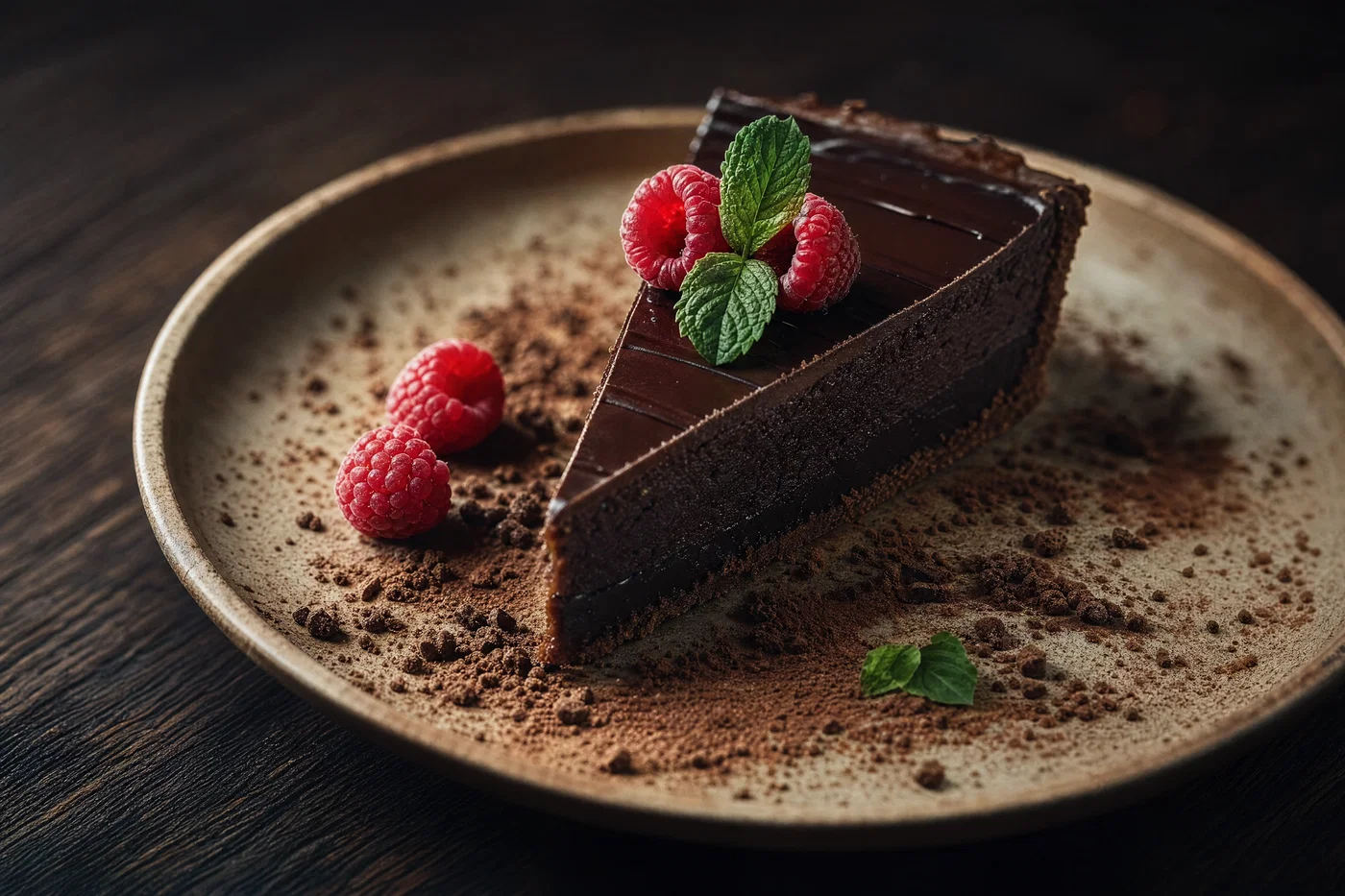
Dark chocolate torte with ganache and raspberries on dark oak, moody side light.
04·Low-key · rich contrast
View photo
100mm macrof/5Flagged side lightDark oak
Prompt
45-degree plated dessert close-up, 100mm macro, f/5, dark chocolate torte slice on stoneware plate, glossy ganache, raspberries and mint leaf garnish, cocoa dust and crumbs on dark oak surface. Soft side light shaped with a black flag for deep shadows, low-key mood, sharp texture on crust. Medium: Cine Vision3 500T look. Color grade: moody contrast, warm highlights.
Why it works

Low-key realism comes from controlled light, not just “dark,” so calling out a black flag tells the model to keep highlights tight and shadows clean. The ganache gloss plus crumbs and cocoa dust create multiple textures at different scales, which is a reliable way to make restaurant food images feel shot, not generated.

Prompt 05 of 10

Bright brunch

Portra · clean whites
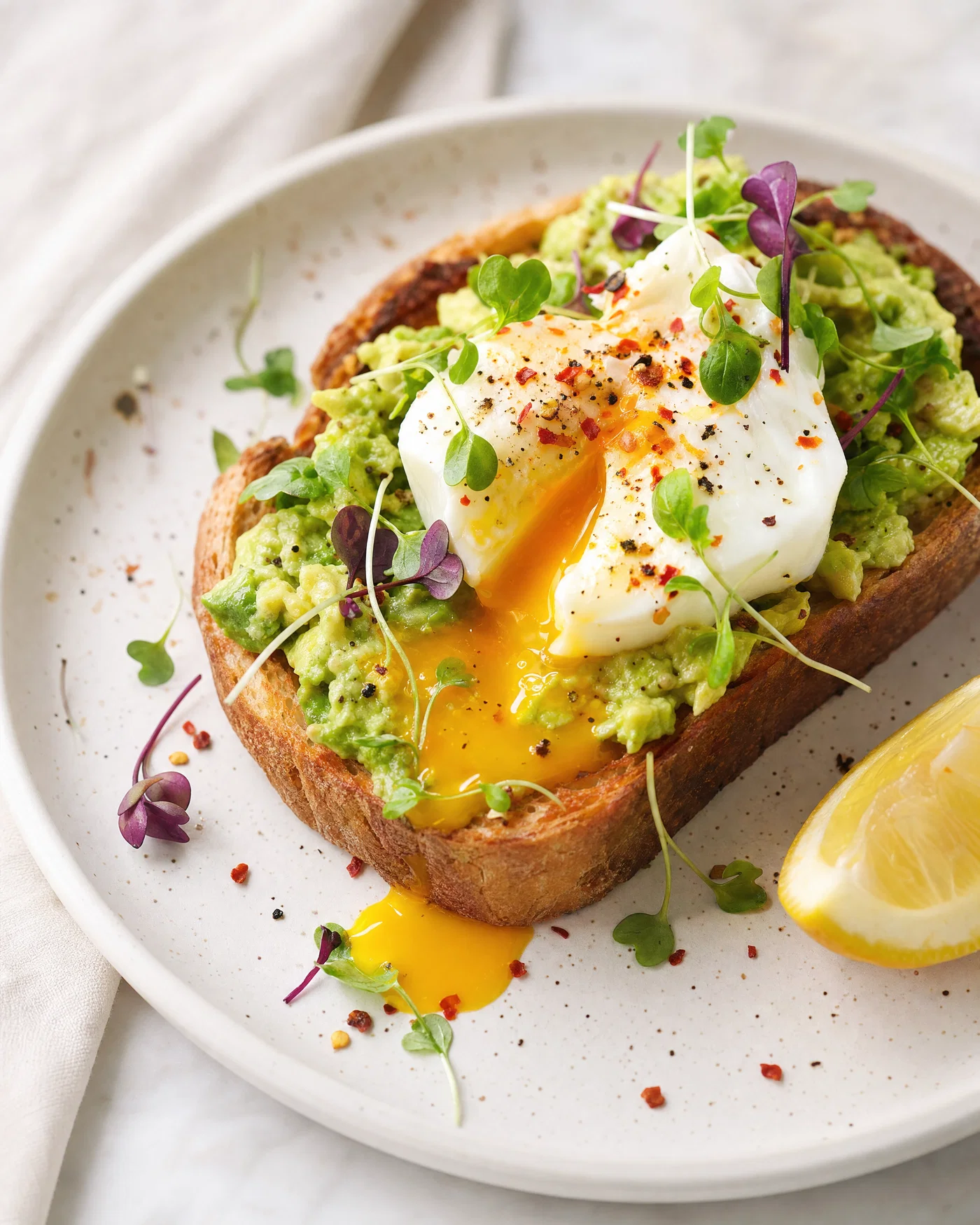
Avocado toast with runny egg and microgreens on white marble in bright soft side light.
05·Portra · clean whites
View photo
100mm macrof/5.6Bright airyWhite marble
Prompt
45-degree brunch plate, 100mm macro, f/5.6, avocado toast with poached egg cut open, yolk sheen, microgreens and chili flakes, lemon wedge, on white marble with clean linen. Soft side window light, minimal shadows, crisp focus on textures, shallow background blur. Medium: Portra 400 style. Color grade: bright, clean whites and gentle warmth.
Why it works

Bright and airy works when whites stay clean, so specifying white marble, clean linen, and minimal shadows reduces muddy color casts. The “cut open” egg and microgreen garnish add a believable food-action cue, helping the model render real textures for menu photos and food blog photos.

Prompt 06 of 10

Steaming ramen

Kitchen · rich warmth
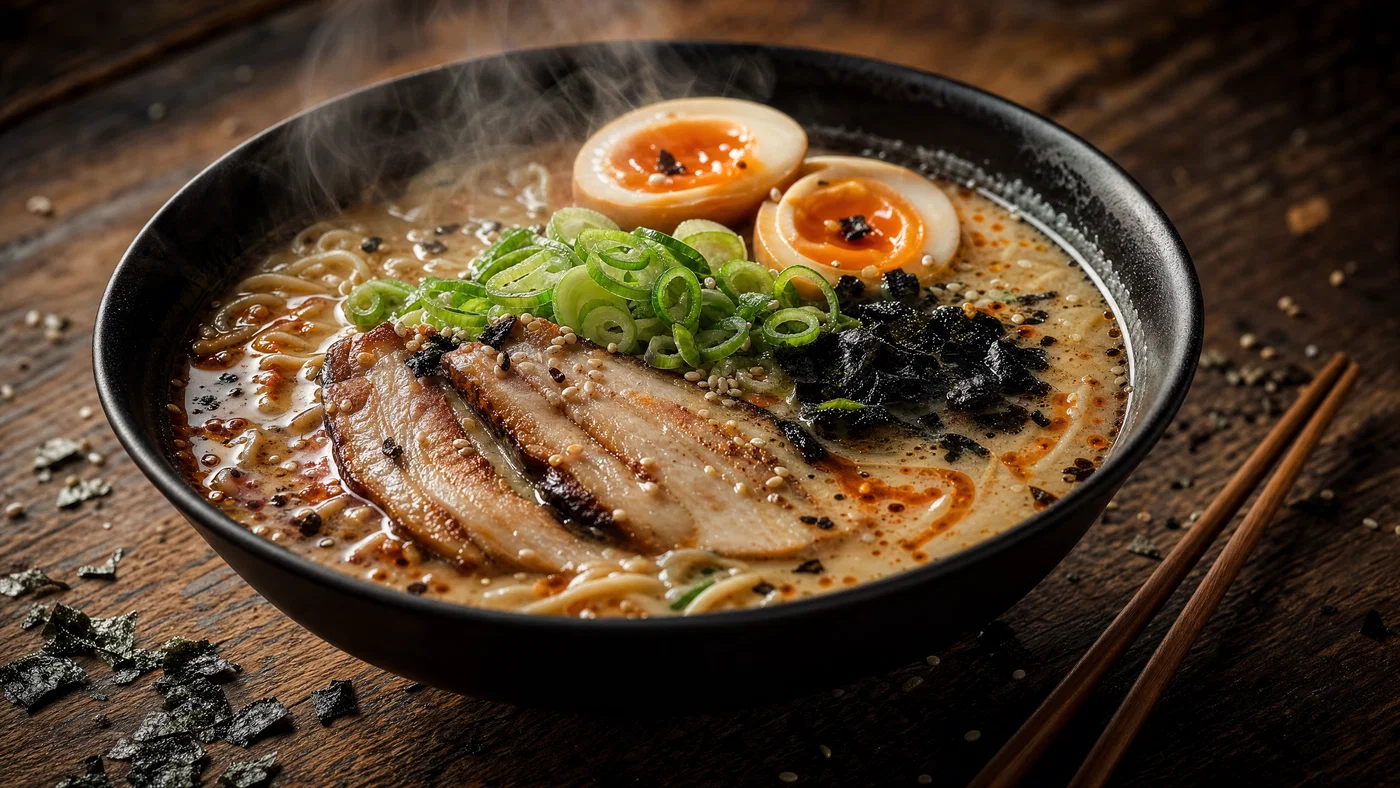
Steaming ramen bowl on weathered wood with chopsticks, soft side light, rich warm grade.
06·Kitchen · rich warmth
View photo
100mm macrof/4Visible steamWeathered wood
Prompt
45-degree bowl shot, 100mm macro, f/4, ramen in a matte black bowl with sliced pork, soft-boiled egg, scallion rings, sesame seeds and chili oil swirls, visible steam rising. Set on weathered wood, chopsticks angled toward camera, scattered nori flakes for texture. Soft side light, controlled highlights, natural condensation. Medium: full-frame digital. Color grade: rich warmth, true-to-life contrast.
Why it works

Steam is a realism multiplier, but it only reads when back-to-side lit, so “soft side light” plus “controlled highlights” helps the model keep steam delicate and believable. The matte bowl and condensation note prevent overly glossy reflections, which is a common failure in AI menu photos.

Prompt 07 of 10

Delivery bowl

Commercial · thumbnail-ready
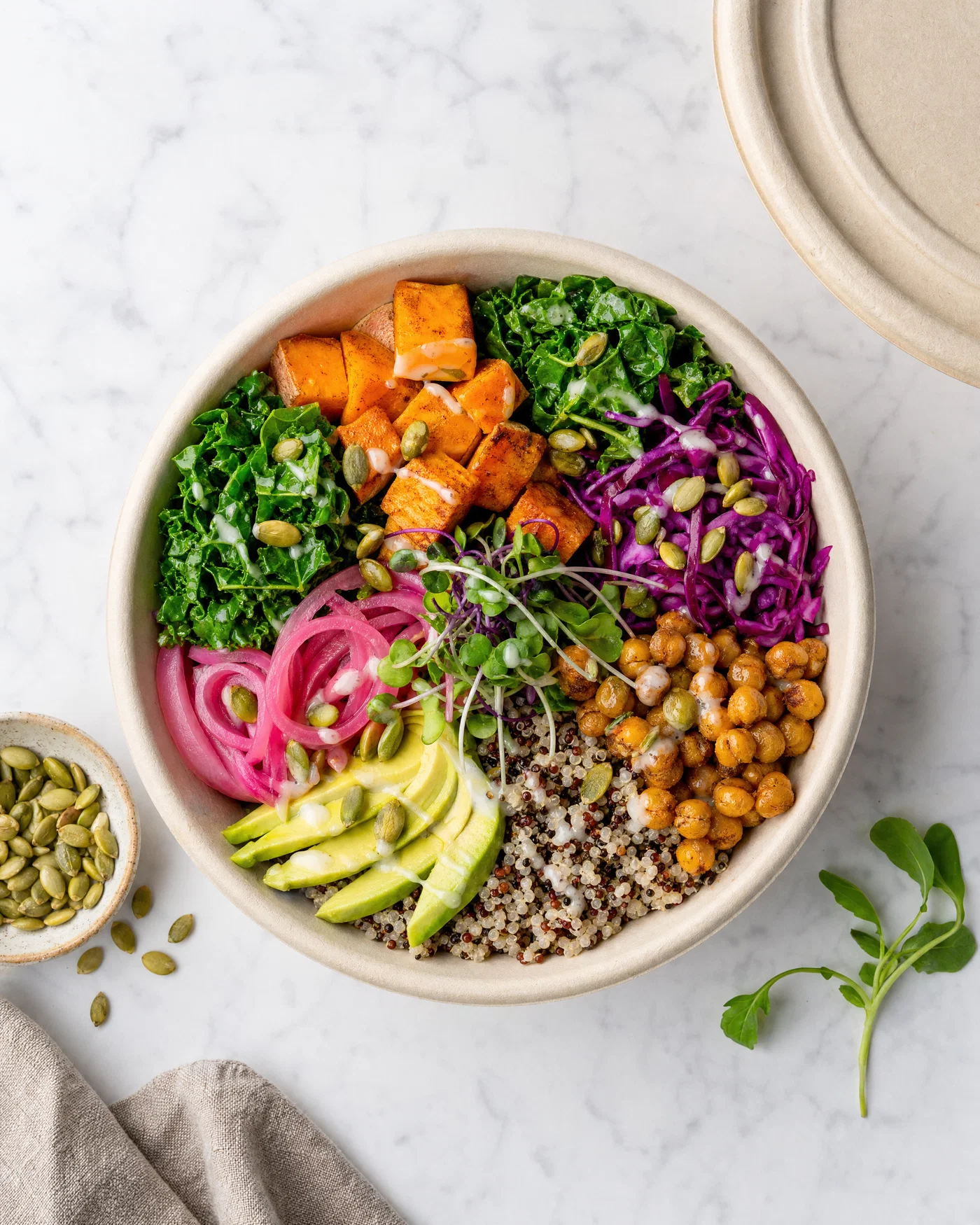
Top-down grain bowl in takeout container on marble, even soft side light, neutral grade.
07·Commercial · thumbnail-ready
View photo
100mm macrof/5.6Even side lightTakeout container
Prompt
Overhead menu packshot, 100mm macro, f/5.6, compostable takeout bowl with lid beside it, colorful grain bowl arranged in clean sections, glossy dressing drizzle, toasted seeds for texture, on white marble with minimal props. Soft side light, even exposure, sharp edges for app thumbnails. Medium: commercial studio digital. Color grade: neutral, accurate color and contrast.
Why it works

Delivery app food photos need clarity at small sizes, so the prompt prioritizes even side light, sharp edges, and “clean sections” over dramatic mood. The explicit packaging detail tells the model to solve the container geometry correctly, which is where many AI restaurant food images look wrong.

Prompt 08 of 10

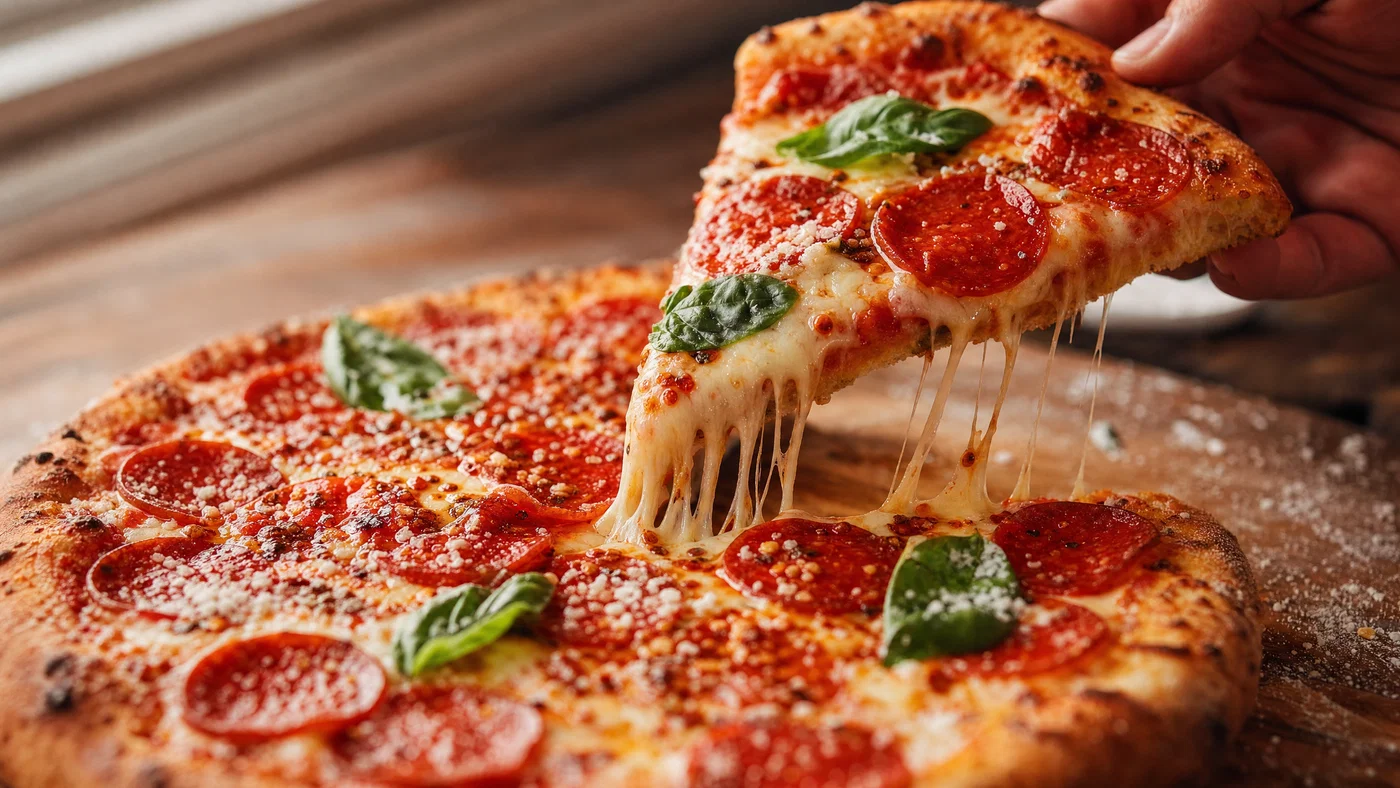
Pizza pull

Pizzeria · warm punchy
Pepperoni pizza slice being lifted with cheese stretch on wooden board in warm side light.
08·Pizzeria · warm punchy
View photo
100mm macrof/4.5Soft side lightWood board
Prompt
45-degree action close-up, 100mm macro, f/4.5, a hand lifts one slice of pepperoni pizza from a wooden board, mozzarella stretch visible, basil leaf garnish, chili flakes and grated parmesan for texture, light flour dust on the board. Soft side window light, shallow depth, realistic grease sheen on pepperoni. Medium: full-frame digital. Color grade: warm punchy reds, clean highlights.
Why it works

A single clear action, “slice lift,” gives the model a story while the macro lens and shallow depth keep it grounded in real food photography. Texture cues, like flour dust and parmesan, prevent smooth “AI surfaces” and help the cheese stretch render as strands instead of plastic ribbons.

Prompt 09 of 10

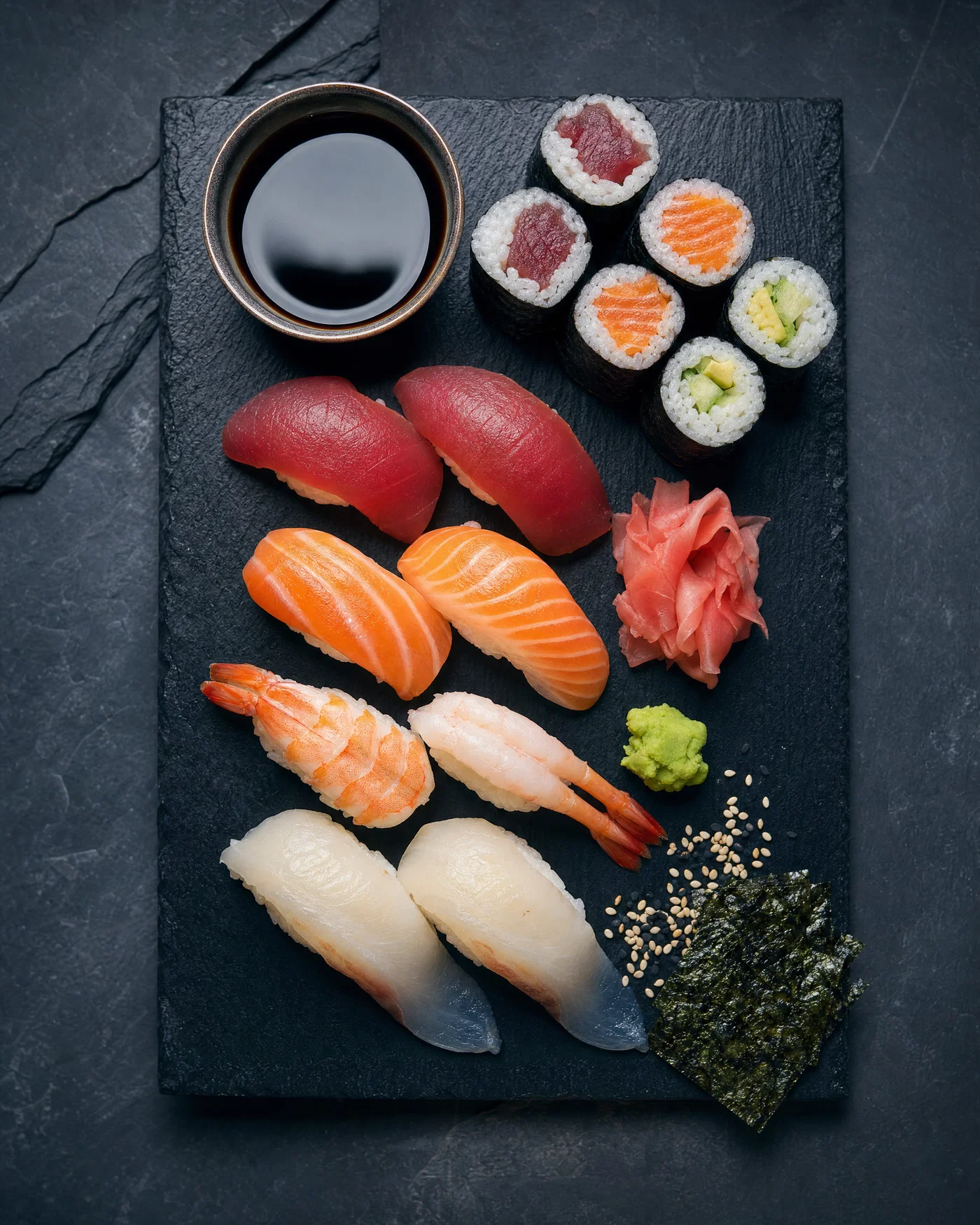
Sushi slate

Ektar · cool clean
Top-down sushi assortment on dark slate with soy sauce dish reflection and cool clean grade.
09·Ektar · cool clean
View photo
100mm macrof/4.5Dark slateSoft side light
Prompt
Overhead flat-lay, 100mm macro, f/4.5, assortment of nigiri and maki on a dark slate board, pickled ginger, wasabi, sesame seeds and nori texture, soy sauce dish with reflective surface, on charcoal stone tabletop. Soft side light from camera left, crisp highlights on fish, controlled shadows. Medium: Ektar 100 look. Color grade: cool shadows, clean saturation.
Why it works

Dark surfaces can look muddy in AI food photography, so specifying slate, charcoal stone, and “crisp highlights” guides the model toward clean separation and accurate specular highlights on fish. The soy dish reflection is a deliberate realism cue that forces coherent lighting and makes the scene feel physically consistent.

Prompt 10 of 10

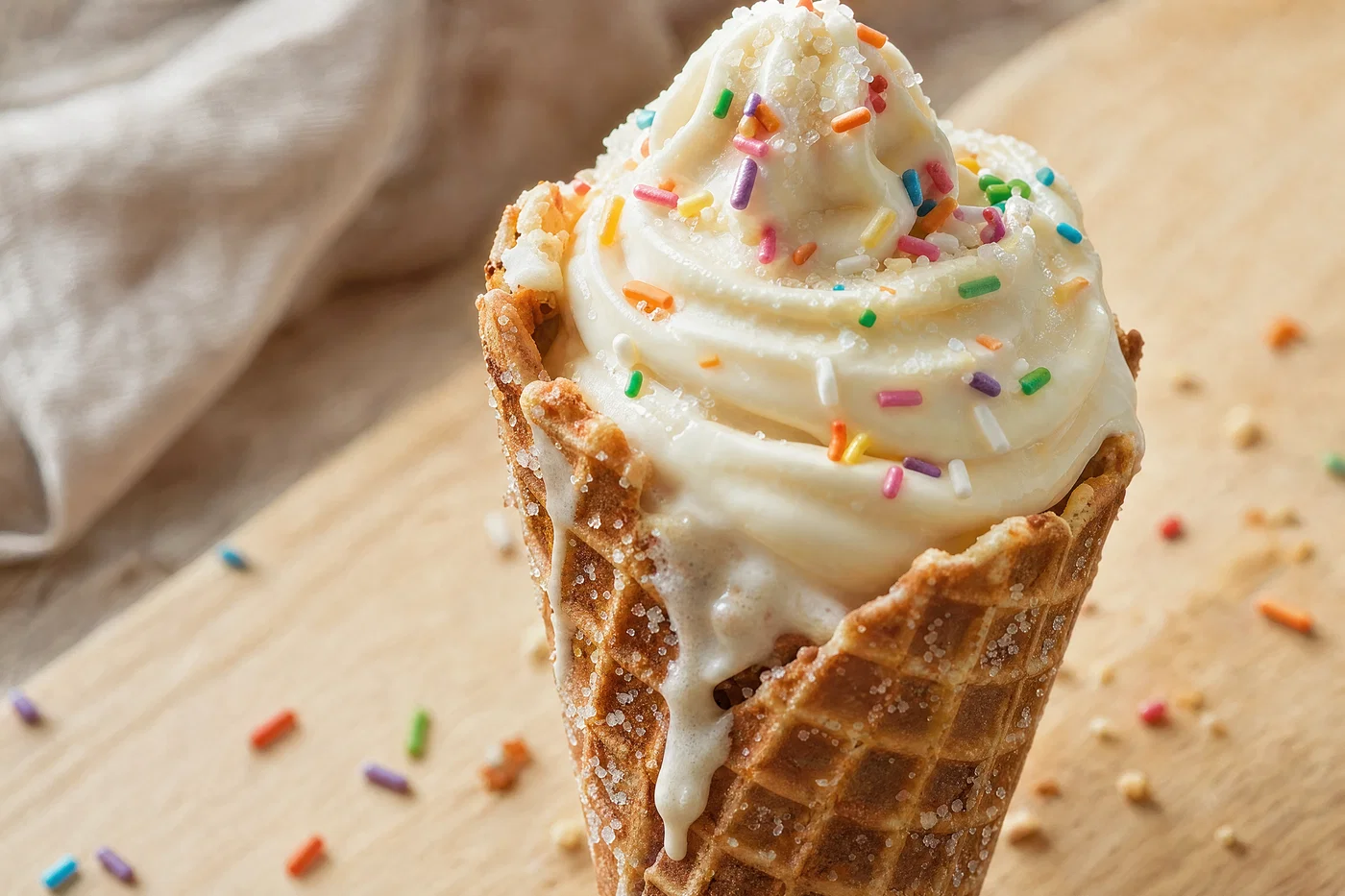
Melting ice cream

Portra · creamy warmth
Vanilla soft-serve in waffle cone with sprinkles and melting drips on maple board.
10·Portra · creamy warmth
View photo
100mm macrof/4Maple boardMelting drips
Prompt
Tight product close-up, 100mm macro, f/4, vanilla soft-serve in waffle cone, rainbow sprinkles, melting drips and sugar crystals visible, on light maple board with linen in background. Soft side window light, shallow depth, realistic condensation and crumbs. Medium: Portra 400 feel. Color grade: creamy highlights, gentle contrast, warm neutrals.
Why it works

Specifying melt, condensation, and crumbs forces the model to render real-world imperfections, which is the fastest route to realistic food photography. The maple board and soft side light give a predictable color environment, so whites stay creamy instead of turning gray or neon.

Turn prompts into consistent menu photo sets

Realistic food images come from prompts that read like a shoot: angle, 100mm macro, f-stop, one soft side light, a specific surface, and a finish that matches the brand. When those pieces are consistent, modern image models stop guessing and start producing restaurant food images that hold up on menus, delivery apps, and food blog photos.

Reuse the prompts above as templates. Swap the dish, change marble to wood, adjust garnish and texture cues, then keep the same lens, aperture, and lighting so the whole set matches. If a shot feels synthetic, add one real imperfection, like crumbs, steam, condensation, or a sauce sheen, and keep the grade simple.

Generate your next set inside Postcrest using the AI Image Generator, then export, resize, and publish. If you are ready to produce menu photos at scale, Open Postcrest and get 50% off your first 2 months.

Bonus · Image to video

Bring your food photos into motion

Any still you generate from these prompts can become a short clip in Postcrest, preserving the original lens, soft side light, and color grade.

Generated from prompt aboveImage to video in Postcrest
Animated from: Overhead pasta
Editorial · clean neutrals
Video prompt
Locked-off overhead shot that preserves the 100mm macro, soft side light, and clean editorial grade. Animate only food-real micro motion: a few pepper specks fall, steam drifts subtly above the pasta, and the linen napkin lifts slightly as if from a light breeze, one continuous shot, no cuts, no text, no watermarks, no logos, no overlays, no captions
Why it works as motion

Overhead frames feel unnatural if the camera moves too much, so a locked-off shot keeps the flat-lay graphic clarity. Tiny falling seasoning and slow steam sell freshness without disrupting the carefully staged top-down composition.

50% off first 2 months

Generate every prompt above in Postcrest

Copy-paste any prompt, or hit generate and get a 4K render in seconds. 50% off your first 2 months — join 38,000+ creators.

Claim 50% off
Cheat sheet

AI food photography prompt cheat-sheet

Reference these dimensions in any prompt for repeatable results across shoots and projects.

Use caseAngleSurfaceLightGrade target
Burger and sandwiches45-degree hero close-upWalnut or dark woodSoft side window light + bounceWarm commercial, Portra tones
Pasta and bowlsOverhead flat-layWhite marbleSoft side window lightClean editorial neutrals
Coffee and pastriesTop-down cafe still lifeWhite marbleSoft side window light, high-keyBright airy pastels
Desserts45-degree plated close-upDark oakSoft side light + black flagMoody contrast, warm highlights
Delivery appsOverhead packshotWhite marbleEven soft side lightNeutral, accurate color
Fresh hot dishes45-degree bowl shotWeathered woodSoft side light with controlled highlightsRich warmth, true-to-life contrast
Pro tips

Five rules that separate amateur prompts from director-grade ones

  1. 01
    Lead with angle, lens, and f-stop
    Start every prompt like a call sheet: overhead or 45-degree, 100mm macro, and f/4 to f/5.6. It pins down perspective and depth of field before styling details confuse the model.
  2. 02
    Describe one soft light direction
    Use “soft side window light” and add one modifier, like white bounce or a black flag. Multiple light sources often create impossible shadows and the plastic AI look.
  3. 03
    Name the surface and prop limits
    Marble and wood are easy, believable sets for menu photos. Limiting props, like one napkin and one utensil, keeps the composition clean and repeatable across a full restaurant shoot.
  4. 04
    Add micro textures, not extra adjectives
    One or two texture cues, like flaky salt, crumbs, sesame seeds, or condensation, make food look photographed. Too many vague descriptors reduce control and create mushy detail.
  5. 05
    Finish with a single grade goal
    End with the color grade you want, like Portra warmth, clean neutrals, or moody contrast. Keeping the grade consistent is the fastest way to make restaurant food images look like a cohesive series.
Why Postcrest

Built for prompt-driven content at scale

Every prompt below renders natively in Postcrest. No queue, no Discord, no LoRA training.

Consistent menu sets
Generate variations from one prompt, then keep the same lens, light, and grade across an entire menu so every dish looks like the same shoot.
Batch workflows
Queue multiple dishes, angles, and aspect ratios in one session, so you can cover delivery apps, web banners, and printed menus without reworking each image.
Edit and reframe fast
Crop for 4:5, 3:2, or 16:9, fine-tune exposure and color, and keep your restaurant food images on-brand with repeatable adjustments.
Still to video
Turn any approved food image into a short motion clip with controlled camera movement and subtle steam, drizzle, or melt, without changing the original look.
Commercial-use outputs
Every asset comes with a full commercial license, no watermarks, and no attribution required, ready for menus, ads, and delivery listings.
FAQ

Questions, answered

Everything you'd ask before pasting these prompts into your workflow.

Write like a photographer: specify the angle, 100mm macro lens, f/4 to f/5.6, and a single soft side light. Add a surface, a few props, and one or two texture cues, like crumbs, condensation, or steam. End with a clear grade target so the series stays consistent.

Martin Balk
Written by
Martin Balk
Founder, Postcrest

Martin builds AI tools that help creators, agencies and brands ship professional content without a studio. He has tested every frontier image and video model since 2022.

50% off first 2 months

Generate realistic food photos that sell

Paste a prompt, keep your lens and light consistent, and publish menu photos faster with Postcrest. Get 50% off your first 2 months.

4.8 / 5 · Trusted by 38,000+ creators
50% off first 2 months
Commercial license included
4K exports and crops
Image to video workflows
Start now